
Favorite Topsoil Laying Equipment For Effortless Garden Preparation
Learn about the most popular equipment designed to simplify the process of laying topsoil for lush and even landscapes.
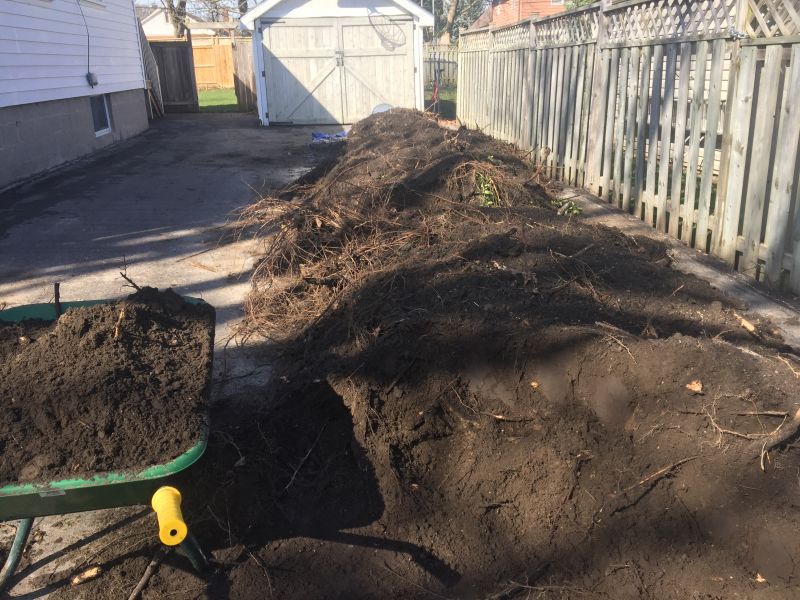 When it comes to preparing a garden or landscape bed, selecting the right products for topsoil laying is essential for achieving optimal results. Topsoil is a vital component in creating healthy, thriving plant environments, and the tools and materials used to lay it down can significantly influence the outcome. From basic hand tools to advanced equipment, there are numerous options designed to facilitate the even distribution and proper leveling of topsoil. Understanding the different product types and their specific functions can help gardeners and landscapers make informed choices tailored to their project needs.
Top Overall Option
Heavy-Duty Soil Leveling and Spreading Tool
This versatile tool features a wide, sturdy blade designed for spreading and leveling topsoil evenly across large areas. Its ergonomic handle provides comfort during extended use, and its durable construction ensures longevity. Ideal for both small garden beds and larger landscaping projects, this tool helps achieve a smooth, uniform surface efficiently.
Types of Products For Topsoil Layings
Hand Trowels
Essential for small-scale topsoil adjustments and planting, hand trowels allow precise placement and smoothing of soil in tight spaces.
Garden Rakes
Useful for spreading and leveling soil, garden rakes help create an even surface across garden beds and lawns.
Soil Spreaders
Designed to distribute soil evenly over large areas, soil spreaders improve efficiency and consistency in topsoil application.
Leveling Boards
Long, flat boards used to smooth and level topsoil, ensuring a flat surface for planting or turf installation.
Wheelbarrows
Ideal for transporting large quantities of soil from one location to another, wheelbarrows make the process less labor-intensive.
Compactors
Used to compress and stabilize topsoil, compactors help prevent settling and promote healthy plant growth.
Landscape Screeds
Tools that help level and smooth out soil, ensuring an even and professional finish.
Garden Hoes
Useful for breaking up clumps of soil and mixing amendments into topsoil layers.
Soil Blowers
Specialized equipment for distributing loose soil evenly over large areas quickly.
Tarp Covers
Protect and transport soil efficiently, especially when working in variable weather conditions.
Shovels and Spades
Fundamental tools for moving, digging, and spreading topsoil during initial preparation stages.
Soil Sifters
Help remove debris and large particles from topsoil, ensuring a fine, workable consistency.
Edging Tools
Maintain clean boundaries and edges around garden beds after topsoil application.
Drainage Mats
Assist in managing water flow and preventing erosion in topsoil layers.
Soil Moisture Meters
Monitor soil moisture levels to ensure optimal conditions for plant health after laying topsoil.
Popular Choices
Widely used for spreading and leveling topsoil, garden rakes are a staple in many landscaping projects.
Commonly utilized for transporting soil and materials, wheelbarrows improve efficiency on larger projects.
Popular for detailed work and small-scale topsoil adjustments, hand trowels are versatile tools.
Favored for creating smooth, level surfaces, leveling boards are essential for professional-looking results.
Effective for covering large areas quickly, soil spreaders are favored by landscapers for efficiency.
Used to compress and stabilize topsoil, compactors help prevent future settling and erosion.
Fundamental for initial soil movement and digging, shovels and spades are common in topsoil projects.
Popular for achieving flat, even surfaces in topsoil laying tasks.
Frequently used to protect and transport soil, tarps are practical accessories in landscaping.
Help refine topsoil by removing debris, ensuring a fine consistency for planting.
Popular for mixing amendments and breaking up soil clumps during preparation.
Used to improve water flow and prevent erosion in topsoil layers, especially in slopes.
Proper topsoil laying involves more than just spreading soil; it requires careful preparation, even coverage, and appropriate compaction. The right products can assist in achieving these goals efficiently, saving time and effort while ensuring a uniform surface. Whether you're working on a small garden bed or a large landscape project, selecting the appropriate tools and accessories can make the process smoother and more effective. It's also important to consider factors such as soil type, project scale, and personal comfort when choosing products for topsoil laying.
Investing in quality products designed specifically for this purpose can improve the overall quality of your landscape. From durable shovels and rakes to specialized leveling tools and soil spreaders, the options are extensive. Additionally, accessories like tarps, wheelbarrows, and compactors can complement your main tools, making the task more manageable. Properly laid topsoil creates a stable foundation for grass, plants, and other landscaping features, ultimately contributing to a more attractive and functional outdoor space.
While selecting products, it's helpful to focus on durability, ease of use, and suitability for your specific project size. Understanding these aspects will guide you toward tools that enhance efficiency and help you achieve professional-looking results. Whether you are a DIY enthusiast or a professional landscaper, having the right set of products for topsoil laying can make a significant difference in the success of your landscaping efforts.
Key Buying Considerations
- Project scale and area size to determine the appropriate tool capacity.
- Material durability to withstand frequent use and harsh conditions.
- Ease of handling and ergonomic design for user comfort.
- Compatibility with other landscaping tools and accessories.
- Weight of tools for ease of maneuverability, especially for larger equipment.
- Adjustability features for versatile applications.
- Ease of cleaning and maintenance requirements.
- Availability of replacement parts or accessories.
- Budget constraints balanced with quality and durability.
- Specific project needs such as soil type, terrain, and desired finish.
- Storage space for larger equipment and tools.
- User reviews and recommendations for real-world performance insights.
- Compatibility with existing landscaping plans and methods.
- Environmental conditions that may affect tool performance.
- Safety features and considerations during use.
This content contains affiliate links. We may earn a commission if you purchase through these links, which helps support our work and ensures we can continue providing helpful information.